
Reviewed · AURORA HUNTS FROM ROVANIEMI
Rovaniemi: Snowtrain to Northern Lights Camp
Snow, stars, and a train with aurora hopes.
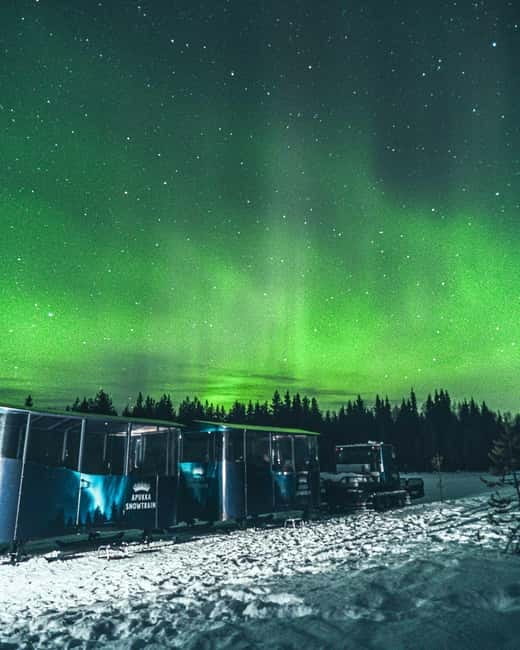
This Snowtrain night adventure takes you from Rovaniemi’s pickup spots to the Apukka Resort area for a guided walk, a warm camp, and a real shot at seeing the Northern Lights.
I particularly like how it mixes cozy waiting with meaningful Arctic context: the campfire stop includes hot drinks and snacks, and the guide shares Arctic nature stories while you’re there. The other thing I like is the bundled support for winter comfort, with included thermal outerwear and boots.
One drawback to plan around: the ride and the waiting can feel tight or slow if you’re unlucky with conditions (and a few people reported the train didn’t feel as warm as promised), so it helps to dress and pace for that reality—especially with kids.
In This Review
- Key things to know before you go
- Why this Snowtrain Night in Rovaniemi feels different from the usual aurora hunt
- Transfers to Apukka Resort: the meeting points that can make or break your night
- On the heated Snowtrain: comfort, space, and the view window
- The walk and arrival at the Northern Lights camp: what the night does for you
- Campfire warmth plus guide stories: the part you’ll remember even without auroras
- Northern Lights odds: how to think about weather, clouds, and patience
- What you wear makes or breaks the 3 hours
- Diet needs and small group comfort: what’s supported, what to watch
- Price and value: is $132 per person worth it?
- Who this Snowtrain-to-camp tour suits best
- Should you book the Snowtrain to Northern Lights Camp?
- FAQ
- How long is the Snowtrain to Northern Lights Camp tour?
- What’s included with this experience?
- Where do the pickups happen in Rovaniemi?
- Is winter clothing provided?
- Do you run the tour in bad weather?
- Is this tour wheelchair accessible?
Key things to know before you go
- Heated Snowtrain on paper: you’ll ride in a heated carriage, but a couple of notes question actual warmth, so layers still matter
- Winter clothing is included: thermal overall, thermal boots, wool socks, and mittens are part of the experience
- Campfire warm-up at a hut: hot drink, light snacks, and a place to regroup while the sky does its thing
- Guides try to maximize aurora odds: clearer skies improve your chances, and the guide helps you stay patient
- A short walking portion in winter: you’ll move outdoors, so non-slip boots and warm socks really count
- English live guide: the vibe is guided, not just transport + waiting
More aurora chases leaving Rovaniemi after dark
- Rovaniemi: Northern Lights Tour with Guaranteed Sightings★ 4.6 · 3,836 reviews
- Northern Lights Rovaniemi: Guaranteed Viewing & Unlimited Mileage★ 5.0 · 2,321 reviews
- Rovaniemi: Lapland Northern Lights Tour with BBQ★ 4.0 · 1,569 reviews
- Rovaniemi: Small-Group Northern Lights Wilderness Tour★ 4.3 · 1,515 reviews
Why this Snowtrain Night in Rovaniemi feels different from the usual aurora hunt
Rovaniemi is famous for the auroras, but “famous” can also mean crowded. This trip aims for a more controlled rhythm: you ride out together, you arrive at a proper Northern Lights camp setup, and you have a guide who keeps the night from turning into endless standing in the cold.
The experience is built around three things that matter in Lapland winter: warmth when you can get it, comfort on the move, and a plan for how to spend the dark hours. The Snowtrain carriage takes you into the night along a nature route, and the camp stop keeps you anchored with snacks, a hot drink, and Arctic storytelling. Then you use the time waiting for the aurora in the best way possible: slow down, look up, and let your eyes adjust.
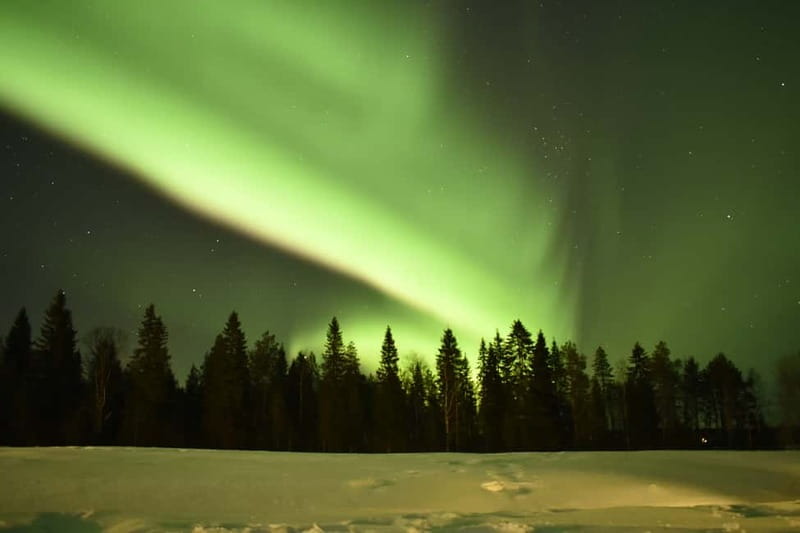
If you’re coming for the sky show, you’ll like that the tour doesn’t treat the aurora as a guarantee. The sky is allowed to be cloudy. When it is, the night still has a purpose—your time is spent outdoors around the camp experience, with guide talk focused on Arctic nature and the winter night.
Transfers to Apukka Resort: the meeting points that can make or break your night
This tour runs with a clear pickup plan. You’re not meant to wander in on your own. Your timing matters because everyone has to sync with the Snowtrain departure and the camp schedule.
You have two pickup options:
- Rovaniemi City Center: at Korkalonkatu 32, picked up 50 minutes before the activity start
- Santa Claus Village: the Napapiiri I bus stop by the main road E75, picked up 35 minutes before
After booking, Apukka Resort confirms your exact pickup time by email, sent within 48 hours. The big practical tip: open that email promptly, because the tour notes that if you miss pickup, refunds aren’t available. I like this approach because it reduces random “we’ll figure it out later” chaos—but you still need to be ready and on time.
One real-world caution from the kind of trip like this: if you show up late or drift away from the meeting point, you can lose the entire experience. This isn’t a flexible stroll. It’s coordinated winter transport, and the crew keeps the night moving.
On the heated Snowtrain: comfort, space, and the view window
The core promise is a ride in a heated Snowtrain carriage. In theory, it’s your warm buffer between Rovaniemi town life and the quiet dark outside. In practice, you’ll feel the difference between “warm enough” and “comfortable enough” pretty quickly in Lapland weather.
Here’s how to think about it:
- If you dress with proper winter layers (more on that below), the train ride becomes part of the cozy arc of the evening.
- If you expect the carriage to feel like a warm bus indoors, plan for the possibility that the heater performance can vary—or that winter wind still finds its way through the experience.
Some people found the train not as warm as expected and described it as hard and tight for sitting. Others still said the ride felt like a straightforward, organized journey. So my practical take is simple: treat this as a winter adventure first, not a climate-controlled lounge.
Also pay attention to seating. One comment described a crowded mini-bus transfer where people ended up in tricky seating positions, including children needing to sit on armrests. I can’t control how full your group is, but you can control one thing: if you’re traveling with a small child or a senior, plan for comfort and consider whether your group will tolerate cramped seating in the cold-to-warm transition.
The walk and arrival at the Northern Lights camp: what the night does for you
Once you’re off the Snowtrain and at the camp area, the night shifts pace. You’ll walk outdoors in winter conditions. This isn’t a long trek, but it’s enough time that your winter comfort matters: mittens, warm socks, and traction beat bravado.
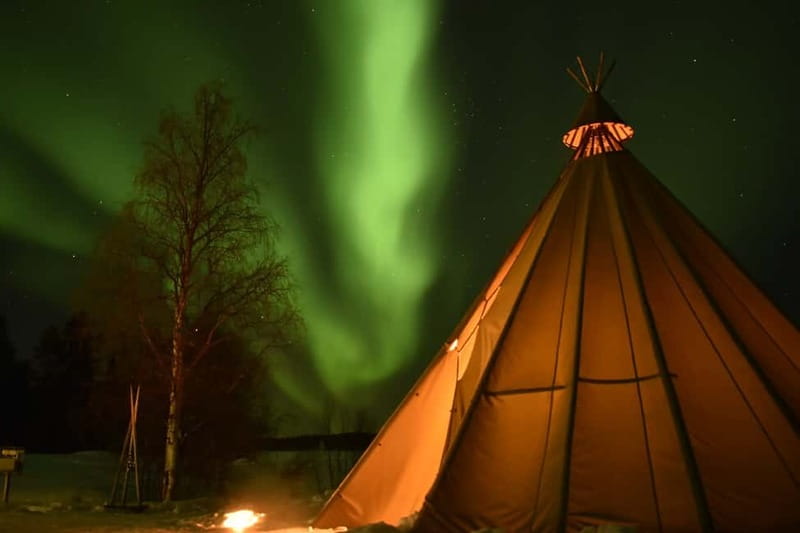
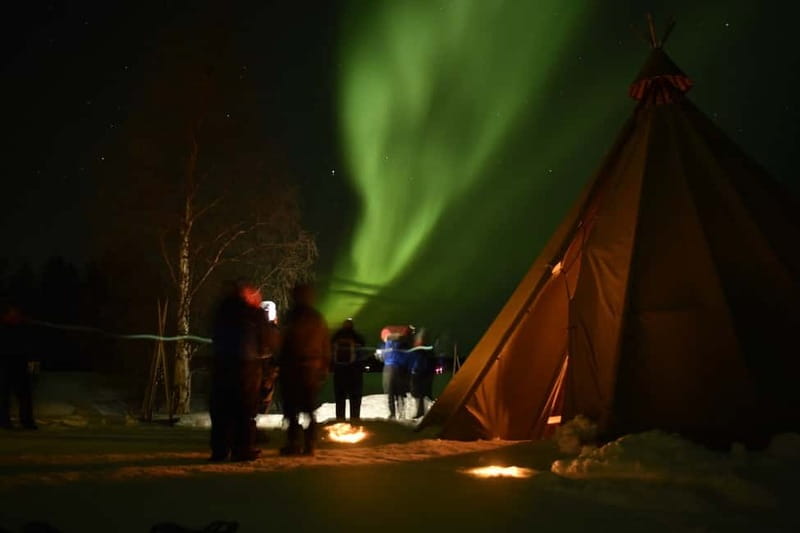
Then you reach the camp at Apukka Resort’s aurora setting, where warmth is handled the human way: a crackling bonfire and a traditional hut-like setup. This matters because the best aurora viewing often comes from staying relaxed. If you’re freezing and distracted, you’ll miss the subtle moments when the sky lights up.
At the camp you’ll get:
- Hot drink and light snacks
- A guided experience focused on Arctic nature
- Time to look up with a group that’s doing the same thing (so you don’t feel silly staring into darkness)
The vibe here is the opposite of “do it yourself.” The guide gives you a reason to wait. That sounds small, but it’s huge when you’re outside for hours and the sky is doing its own thing.
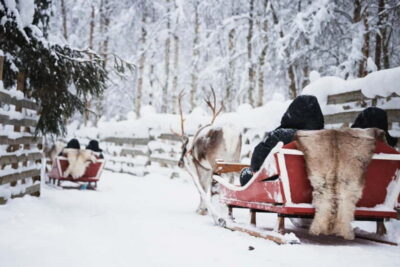
Campfire warmth plus guide stories: the part you’ll remember even without auroras
I love that this tour doesn’t only measure success by whether you see the aurora in a big burst. The guide’s job is to fill the downtime with context—how Arctic nature works, what winter does to the night, and how to interpret what you’re seeing.
You’ll hear stories about the Arctic night while you’re warmed up at the hut and bonfire. One guide named Sergio was specifically praised for his aurora spotting and for helping with photos—offering to send aurora images after the tour if someone had trouble capturing them on their own phone.
And that’s practical, not just friendly: in aurora viewing, your phone settings and your timing can be the difference between a blurry mess and a decent shot. Even when you don’t get a dramatic display, it’s nice to have a guide who understands what you’re trying to do.
If you do see the auroras, the camp setting makes the moment feel grounded. It’s not just the sky. It’s the whole experience: warm hands around a hot drink, the smell of the fire, and your guide pointing out what you’re seeing and why it matters.
If you don’t see much, you still take home a winter night story—because you weren’t out there alone, and you had structure while you waited.
Northern Lights odds: how to think about weather, clouds, and patience
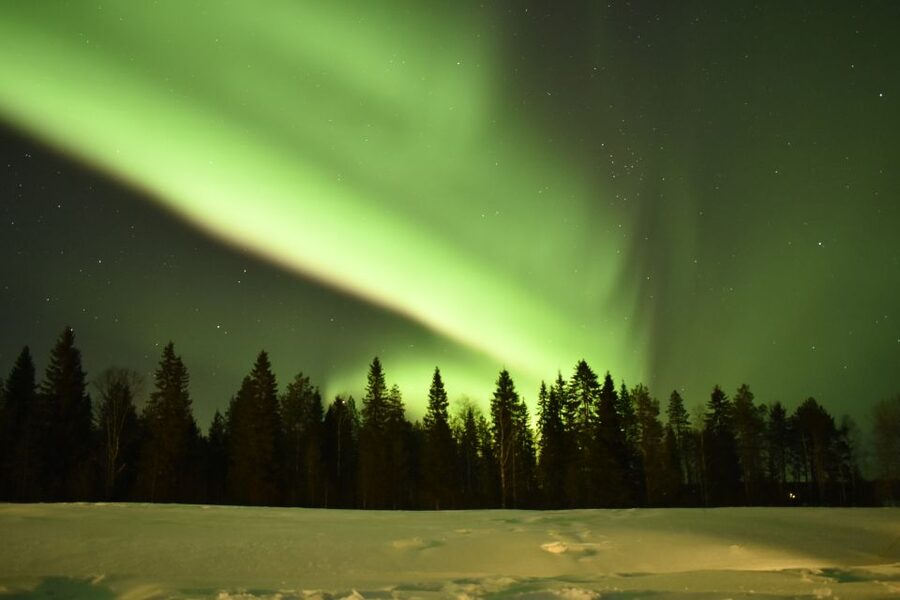
The tour is organized in all weather conditions. When skies are clear, your aurora chances improve at the campsite. When it’s cloudy, the tour shifts emphasis to other Arctic night elements, still with the idea that you’re outdoors under guided care.
Here’s what you can realistically control:
- You can pick a date, but you can’t control the sky.
- You can control how prepared you are for cold and waiting.
- You can control how patient you are when the show doesn’t start immediately.
Some people reported seeing little aurora directly in the sky. That’s not unusual. Even in the right place, the aurora can be faint, quick, or partly blocked by cloud. If that’s what happens, the camp time still helps, because you can relax instead of getting frustrated.
The best mindset for this kind of tour: don’t demand instant results. Give the night time to respond. Your eyes adjust, your body warms up between looks, and your guide keeps you pointed in the right direction when conditions change.
What you wear makes or breaks the 3 hours
The tour includes winter clothing: thermal overall, thermal boots, woolen socks, and mittens. That’s a big value-add because it reduces guesswork and keeps you from renting gear at the last minute.
Still, one tip comes up from real nights: make sure you’re dressed warmer than you think you need to be. One comment noted that nobody advised taking extra warm layers compared to what they had brought, and that can turn waiting into an unpleasant challenge—especially for smaller kids.
So here’s the balanced approach:
- Wear what’s provided correctly.
- Bring a warm base layer if you already have one.
- Expect walking outdoors and sitting still outside at the camp.
Also remember the rules: no alcohol or drugs, and no drinks allowed in the vehicle. It’s part of keeping the winter transport and group safety smooth.
Diet needs and small group comfort: what’s supported, what to watch
If you have diet requirements—vegetarian or gluten-free, for example—special options are available upon request. That’s helpful because camp snacks and hot drinks can be a plain obstacle if a tour doesn’t handle dietary needs well. Here, the tour states you can request diet options, so it’s worth sending that ahead of time.
On comfort, the reality of winter tours is that seats and group size affect how people experience the trip. One note mentioned an especially awkward transfer setup when traveling with a senior and children around age five, described as dangerous due to crowded seating and children on armrests. You can’t predict the exact vehicle fullness, but you can use this as a warning to plan for your group’s comfort needs.
And for kids: this tour is short by adult standards (3 hours), but in Lapland winter, 3 hours can still feel long for young children. One person said it’s not adapted for children of 5 years old because of the wait time, cold, and the uncertainty of seeing auroras immediately. If you’re traveling with toddlers or young kids, I’d treat this as a fun winter outing for hardy youngsters, not a guaranteed-night-show event.
Price and value: is $132 per person worth it?
At about $132 per person for a 3-hour guided experience, you’re paying for three types of value: coordination, gear, and a guided aurora setup.
Here’s how that adds up:
- Coordination and transfers: you’re picked up from either the city center or Santa Claus Village, then transported to Apukka Resort and back (when transfers are included for your pickup point).
- Included winter clothing: you don’t have to figure out rentals or sizing at the last minute.
- A guided aurora night: you get a live English guide, Arctic nature info, and camp time with snacks and a hot drink.
If you were to do this “on your own,” you’d save money but spend more time solving logistics in the dark and on cold roads. The tradeoff with this tour is paying for someone else to handle the schedule, gear expectations, and guide support. For many people, that’s worth the extra cost—especially if you’re new to winter travel in Lapland.
The big reason to consider the price justified is that the tour isn’t only about the aurora. Even if the aurora is faint or brief, you still get a structured Arctic night with warmth, stories, and a guided approach.
Who this Snowtrain-to-camp tour suits best
I’d point you toward this experience if:
- You want a guided aurora night with warm camp breaks instead of a self-drive “wait and hope” plan
- You value included winter gear and a clear plan for what to do outdoors
- You’re comfortable with outdoor winter walking and a group schedule
- You travel in a way that can handle mild transport crowding (and you dress for it)
I’d consider a different option if:
- You need wheelchair access (this tour is not suitable for wheelchair users)
- You’re traveling with very young children who can’t handle waiting in cold
- You expect the train ride to feel like an indoor living room (a couple of notes suggest warmth may not feel consistent)
Also, if you care about photos, ask your guide how to capture what you’re seeing. The fact that at least one guide, like Sergio, was willing to help with images is a strong hint that phone photography isn’t an afterthought here.
Should you book the Snowtrain to Northern Lights Camp?
Yes, if you want a guided winter night that treats comfort and meaning as part of the aurora goal. The combination of Snowtrain transport, included winter clothing, and the campfire hut experience makes it a solid value when you’re aiming for auroras but also want the night to feel worthwhile even if the sky doesn’t fully cooperate.
Skip it (or pair it with a more flexible plan) if you’re traveling with very young kids who struggle with cold waits, or if your group needs extra comfort during transport. The aurora is never a guaranteed performance, so the best bet is choosing the tour that helps you handle uncertainty with warmth, structure, and a real guide.
If you’re ready for a genuine Lapland night—stars, stories, and the quiet drama of the sky—this one is easy to recommend.
FAQ
How long is the Snowtrain to Northern Lights Camp tour?
The tour duration is 3 hours.
What’s included with this experience?
You get a ride in a heated Snowtrain carriage, hot drink and snacks, information about Arctic nature, and winter clothing (thermal overall, thermal boots, woolen socks, and mittens). Transfers are included if needed from Rovaniemi city center or Santa Claus Village to Apukka Resort and back.
Where do the pickups happen in Rovaniemi?
There are two pickup points. From Rovaniemi City Center, it’s at Korkalonkatu 32, about 50 minutes before the activity start. From Santa Claus Village, it’s at the Napapiiri I bus stop by the main road (E75), about 35 minutes before the activity start.
Is winter clothing provided?
Yes. The tour includes a thermal overall, thermal boots, woolen socks, and mittens.
Do you run the tour in bad weather?
Yes. The tour is organized in all weather conditions. Clear skies give optimal chances to see the Northern Lights, while cloudy weather focuses more on other aspects of the Arctic night.
Is this tour wheelchair accessible?
No. This tour is not suitable for wheelchair users.
More Tour Reviews in Rovaniemi
More Aurora Nights out of Rovaniemi
Fresh off the trail: newer Rovaniemi experiences we have written up
- Bear and Arctic Animals 2 Day Trip from Rovaniemi
★ 5.0 · 3 reviews - guiding services with local guides
★ 5.0 · 3 reviews - Winter highlights: Snowmobile, Arctic Animals And Santa`s Village
★ 4.5 · 3 reviews - Reindeer Farm Summer Experience
★ 3.5 · 3 reviews - Rovaniemi: Private Photoshoot Experience in Lapland
★ 5.0 · 3 reviews
Aurora Hunts from Rovaniemi, compared.
 ★ 4.6Northern Lights Tour with Guaranteed SightingsFrom $1643,836 reviews
 ★ 5.0Northern Lights Rovaniemi: Guaranteed Viewing & Unlimited MileageFrom $2282,321 reviews
 ★ 4.0Lapland Northern Lights Tour with BBQFrom $811,569 reviews
 ★ 4.3Small-Group Northern Lights Wilderness TourFrom $1361,515 reviews
 ★ 4.3Aurora Borealis Snowmobile Safari with CampfireFrom $1631,108 reviews
 ★ 4.3From Rovaniemi: Lapland Aurora Hunt with BarbequeFrom $881,083 reviews
 ★ 4.8Aurora Hunt – Free Photos, 100% Guaranteed RefundFrom $1051,002 reviews
 ★ 4.3Ice Floating in Forest Lake with Aurora BorealisFrom $115797 reviews
Browse the lists this tour appears in