
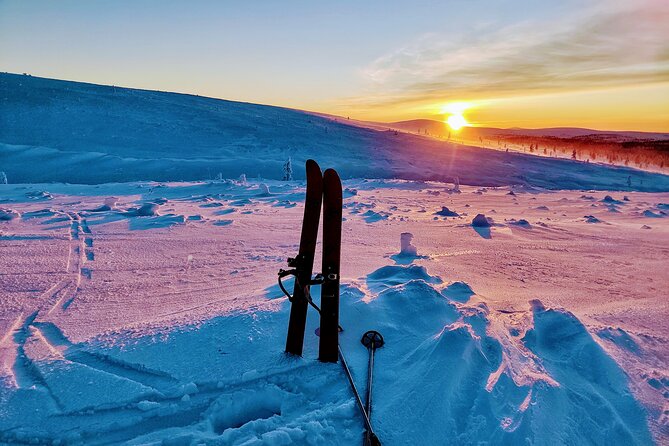
Reviewed · HIKING & TREKKING
Winter Trek
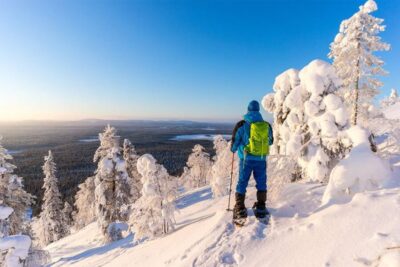
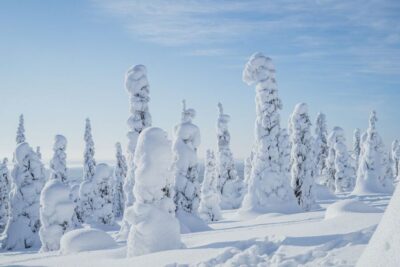
Snow silence in a Finnish forest. This guided winter trek takes you into Inari’s untouched wilderness, where you’ll move by snowshoes or forest skis and learn how to read a landscape made only of trees, snow, and tracksless quiet. I love that the route is built around calm, unspoiled nature rather than sightseeing stops, and I love the simple, cozy rhythm of an open-fire lunch during the hike. One drawback to plan for: you’re likely out late enough that the forest ride back can be in darkness, so you need to feel comfortable layering up and moving at a steady winter pace.
The experience is run by Xwander Nordic with friendly, multilingual, attentive guides, and the vibe seems to be consistent: people have specifically praised guides like Ossi for being kind and experienced, and Juhani and Emilia for being organized and reliable on other cold-weather trips. With a maximum of 12 people, the group stays small enough that the pace and guidance don’t feel rushed. You also get head torches for the return, which makes that dark-forest feeling safer and much more magical.
For the price ($139 for about 6 hours), you’re paying for more than time outside. You’re buying equipment options tied to snow conditions, guided navigation into areas with no human-made structures, and a warm lunch break that you don’t have to plan or pack for. If you want a winter activity that feels practical and real, this one does the job.
In This Review
- Key things to know before you go
- Getting to Inari and the morning start that sets the tone
- Snowshoes or skin-based forest skis: how it changes the whole feel
- The trek into untouched wilderness: what “no tracks” really means
- Your lunch break on an open fire: warm food, real pause
- The return in darkness with head torches: why it feels different
- Price and value: what $139 buys in the real world
- Who this winter trek is best for
- Should you book this Winter Trek in Inari?
- FAQ
- What is the duration of the Winter Trek?
- Where does the tour start?
- What time does the tour begin?
- Will I use snowshoes or skis?
- Is there lunch during the trek?
- How many people are in the group?
- Do we get any equipment for safety in the dark?
- What happens if weather is poor?
- What is the cancellation window for a full refund?
Key things to know before you go
- Snowshoes or forest skis based on conditions so you’re matched to what the trail can support
- Untouched forest route with no human-made structures or tracks along the way
- Lunch on the go at an open fire or camping stove depending on the weather
- Mid-winter dark forest return guided with head torches
- Small group size (max 12) for a calmer, easier-to-follow trek
- Good weather matters since the tour needs proper conditions to run
The trips that fill up first once the snow settles over Lapland.
- Guided Ice Climbing Activity in Pyhä★ 5.0 · 149 reviews
- Northern lights tour to Lake Inari from Ivalo, Reindeers & Dinner★ 4.5 · 63 reviews
- Northern Lights Auroras from Kemi-Tornio with Pickup★ 4.5 · 44 reviews
- Snowmobile Safari to Lake Inari, meet & feed Reindeers, Lunch★ 5.0 · 34 reviews
Getting to Inari and the morning start that sets the tone
This trek is based in Inari, Lapland, Finland, starting at Xwander Nordic (Ivalontie 12, 99800 Inari). Start time is 9:00 am, and the activity ends back at the meeting point. That timing matters because Lapland winters can shift daylight fast, and you’ll want to be moving early enough to enjoy the forest in light before it turns to that deep midwinter quiet.
Also, you’re not stuck with a long, complicated logistics chain. The location is listed as near public transportation, and you’ll use a mobile ticket. That’s one less thing to worry about when the real challenge is dressing for cold and wind.
One more practical point: the tour says most people can participate, and service animals are allowed. That’s helpful if you’re traveling with a support animal, or if you just want a guided option that isn’t marketed as extreme.
Snowshoes or skin-based forest skis: how it changes the whole feel
Here’s the core decision of your day: depending on the snow conditions, you’ll hike using either snowshoes or modern skin-based forest skis. That choice isn’t just equipment. It changes your rhythm, your balance focus, and the kind of effort you’ll feel.
Snowshoes tend to make it easier to walk in deeper, uneven snow because they spread your weight. Forest skis with skins can glide more efficiently when the snow surface supports it, and they often feel smoother for covering ground—especially on gentler tracks under the trees. Either way, you’re moving through a quiet forest where you’re not navigating a marked trail with railings or signs.
The best way to prepare mentally is to accept that “winter conditions” decide the gear on the day. If you’re imagining one specific method, keep an open mind. Guides will lead you the whole way, but your body still needs to stay flexible. If you’re new to snow travel, tell yourself the goal is steady movement and enjoying the forest—not racing to some far endpoint.
The trek into untouched wilderness: what “no tracks” really means
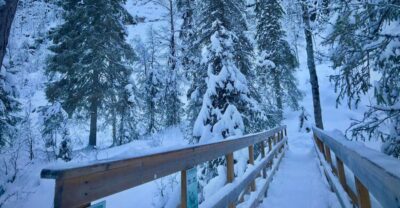
The trek heads deep into the forest with no human-made structures or tracks, just untouched snow and calm nature. That line is more than marketing. It changes the entire experience because you’re not seeing repeatable photo spots or following a manicured path. Instead, you’re learning how a winter forest feels when it’s allowed to be quiet.
In winter, the forest can be extremely still. When you add snow and trees, sound carries differently, and movement becomes the loudest thing in the world. The trip description talks about that cotton-cloud feeling—moving around in the dark or near-dark can feel softer, slower, and strangely peaceful.
Wildlife is always a possibility, not a guarantee. If you’re lucky, you might see things like willow grouses in their snow-white outfits or grazing reindeer, plus other animals and birds. The practical way to enjoy this part is simple: keep your eyes up and scan slowly. In a quiet forest, a small motion often matters more than a big one.
One more thing I like about this kind of route: it gives you a break from “tour routes.” Instead of constantly switching activities, you get a continuous stretch of winter travel with guidance, plus occasional moments that feel like you’ve stepped into a place that isn’t built for crowds.
Your lunch break on an open fire: warm food, real pause
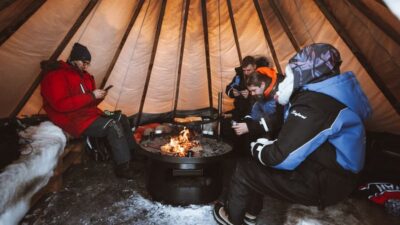
You’ll have lunch on the go while you’re out trekking. Depending on weather, that lunch happens either on an open fire or on a camping stove. The setting is the point here. This isn’t just a meal stop; it’s a warmth reset in the middle of snow travel.
On a day like this, the best lunch is the one that restores your hands, your breath, and your focus. Warm food matters more than people expect when the cold is consistent. Even if you’re not starving, a break helps you keep moving with good form later, especially if the return is getting dark.
Practical tip: plan to treat lunch gear and hand warmth as part of your setup. If your gloves get wet or your sleeves ride up while you hike, it’s harder to enjoy the break. Use the time you’re outside to check your clothing layers and make sure your hands and face stay comfortable.
A few more Lapland adventures under the Arctic sky
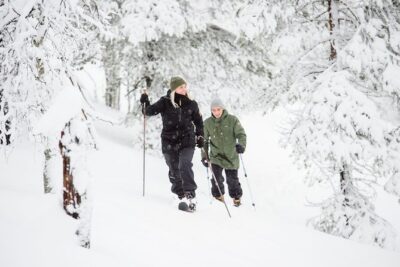
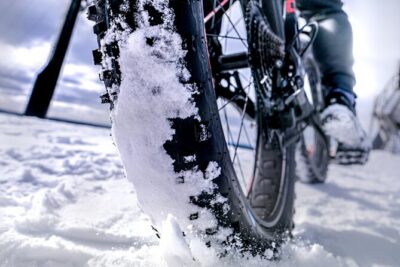
The return in darkness with head torches: why it feels different
After you head back to the car, it might already be dark. The trip is explicit that snowshoeing or skiing in the dark can be a magical experience, and you’ll have safety support from head torches.
This is one of the most distinctive parts of the day. In the dark forest, you’re not just seeing less—you’re seeing differently. The snow surface reflects light, branches create big silhouettes, and the forest depth can look endless. The tour description even mentions the option of experiencing the complete darkness or using your headlamp to make deep shadows.
The practical takeaway is that you don’t need to be a night-experience person to enjoy it. The guides manage safety with the head torches, and you follow their pace. Still, it helps to be comfortable walking in a winter setting where your visual cues are limited. If you’re someone who gets anxious in the dark, you’ll want to lean on the safety design and the guide-led pace instead of trying to go faster or drift off.
Price and value: what $139 buys in the real world
At $139 for about 6 hours, this trek is priced for a guided winter activity that includes specialized winter movement, not just a stroll. The value comes from several stacked parts:
- A guide-led route into untouched forest, not a simple loop near a town
- Snowshoes or forest skis based on conditions, which changes what you can do safely and comfortably in deep winter snow
- A warm lunch on the go, with either open fire or stove depending on weather
- Small group size (max 12), which typically means less waiting and more attention from the guide
- Head torches for the return, letting you experience the dark without guesswork
If you’re comparing this to self-guided winter hiking, the difference is clear: you’re paying for direction, timing, and warmth breaks planned for real winter conditions. If you already have your own gear and know the area well, you might do it cheaper. But if you don’t, this is a straightforward way to experience Lapland winter without turning your day into a logistics project.
The other side of value is weather. The tour requires good weather, so if conditions aren’t right, you could be offered a different date or a refund. That’s not a surprise in Lapland, but it is part of what you’re paying for: an experience designed around actual winter conditions rather than a fixed plan no matter what.
Who this winter trek is best for
This is a strong fit if you want a winter experience that feels calm and nature-first. I’d book it if you like:
- Quiet outdoor time with guidance and safety support
- Winter wildlife spotting chances (even if you don’t count on it)
- A warm lunch break built into the hike
- A small-group pace rather than a crowd event
It may be a tougher match if:
- You dislike the idea of returning when it’s dark (even with head torches)
- You’re expecting a perfectly consistent equipment setup (snow conditions decide snowshoes vs skis)
- You’re sensitive to cold and wind, and you haven’t practiced layering for winter movement
The upside is that the tour says most people can participate, and the guides are described as friendly and attentive. If you communicate your comfort level early, they can set you up for a day that’s challenging in the right way, not stressful.
Should you book this Winter Trek in Inari?
Yes—if you want a guided day that focuses on the quiet side of Lapland winter. I think this is especially worth it when you’re short on time and you still want a full winter “story”: morning forest travel, warm lunch in the cold, and then the dark-forest return with head torches.
Book it if you’re open to snow conditions deciding your gear and you’re comfortable with winter basics like layering and moving steadily on snow. If that sounds like you, this is one of the simpler ways to get real Inari wilderness time without turning your trip into a gear-and-route puzzle.
FAQ
What is the duration of the Winter Trek?
The trek lasts about 6 hours.
Where does the tour start?
It starts at Xwander Nordic, Ivalontie 12, 99800 Inari, Finland.
What time does the tour begin?
The start time is 9:00 am.
Will I use snowshoes or skis?
Depending on snow conditions, you’ll hike with either snowshoes or modern skin-based forest skis.
Is there lunch during the trek?
Yes. Lunch is provided on the go on an open fire or a camping stove, depending on the weather.
How many people are in the group?
The group has a maximum of 12 travelers.
Do we get any equipment for safety in the dark?
You’ll have head torches for the return, which may happen after it gets dark.
What happens if weather is poor?
This experience requires good weather. If it’s canceled due to poor weather, you’ll be offered a different date or a full refund.
What is the cancellation window for a full refund?
You can cancel up to 24 hours in advance for a full refund. If you cancel less than 24 hours before the start time, the amount paid isn’t refunded.
More Winter Activities in Lapland
More Tour Reviews in Lapland
Fresh off the trail: newer Lapland experiences we have written up
- Private Snowshoeing Tour In Pyhätunturi With A Local Guide
★ 5.0 · 3 reviews - Snowmobile Safari in the Forest
★ 4.5 · 3 reviews - Winter Trek
★ 5.0 · 3 reviews - Korouoma Frozen Waterfall with Photography
★ 5.0 · 3 reviews - Arctic Darkness & Starlight Adventure with Snowshoes
★ 5.0 · 3 reviews
Hiking & Trekking, compared.
 ★ 4.9Korouoma Canyon Frozen Waterfalls Hike & BBQFrom $1061,392 reviews
 ★ 4.4Hiking and Snowshoeing Adventure in LaplandFrom $104753 reviews
 ★ 4.8Korouoma: Frozen Waterfall Hiking TourFrom $113299 reviews
 ★ 4.7Lapland Ski Trekking SafariFrom $128224 reviews
 ★ 5.0Hiking in Riisitunturi National Park with PhotographerFrom $222114 reviews
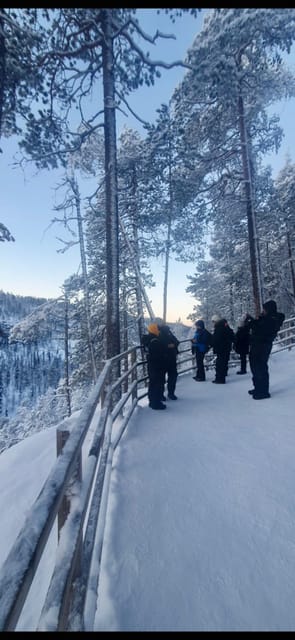 ★ 4.9Korouoma Frozen Waterfalls Hike & Hot BBQ LunchFrom $14090 reviews
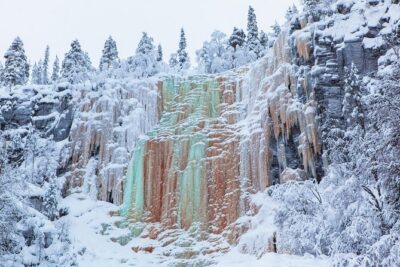 ★ 5.0Hike to Frozen Waterfalls of Korouoma Including BBQ Lunch from RovaniemiFrom $10884 reviews
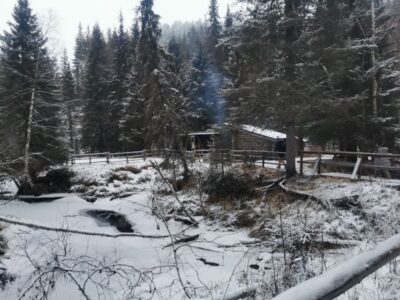 ★ 5.0Korouoma Canyon Frozen Waterfalls Hike & Private Teepee BBQFrom $18280 reviews
Browse the lists this tour appears in