
Reviewed · AURORA HUNTS FROM ROVANIEMI
Capturing Auroras in Pyhä
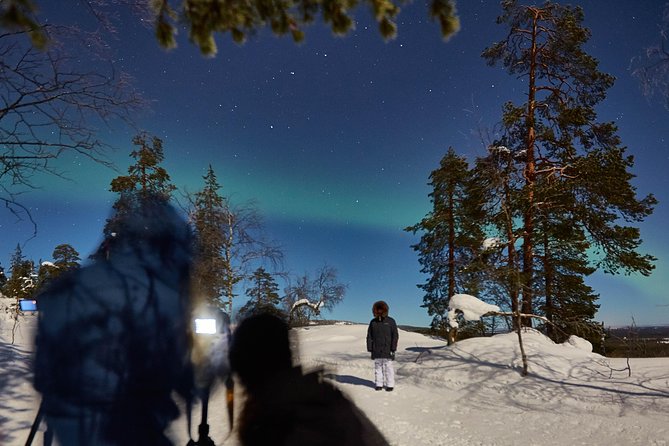
Your camera becomes a compass for the night. This Pyhä Northern Lights photography session with Bliss Adventure focuses on basic manual settings, so you can actually make pictures—not just watch. I love the hands-on camera help right before the sky show, and I love that the experience keeps moving even if the auroras don’t show. One drawback to weigh: it’s about 2 hours, so if the guide is in teaching mode when the sky lights up, you may feel you missed a few key moments.
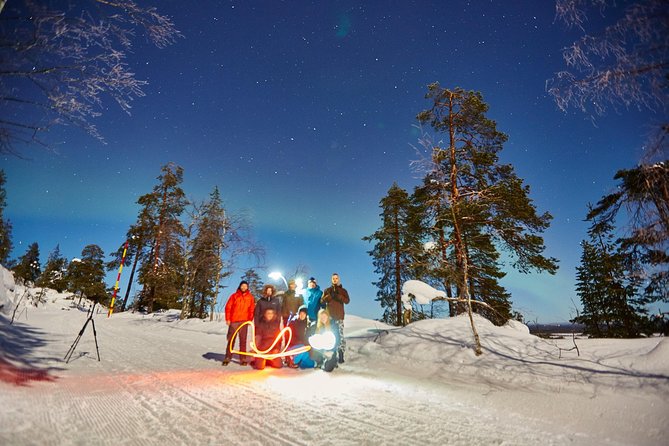
You meet in the Hotel Pyhätunturi area around 8:00 pm, then you’ll head out on foot to the Tajukangas area (about a 10-minute walk) where everyone sets up together. If you don’t get strong auroras, the plan shifts to starry-sky photography, and if the sky still stays stubborn, you’ll do light-painting with headlamps.
In This Review
- Key highlights you’ll care about
- Where the Aurora Photo Session Starts in Pyhätunturi (and what that means)
- The Tajukangas warm-up: camera basics and quick sky-readiness
- How the guide helps you spot and photograph the auroras (without guesswork)
- When the auroras don’t show: stars and light-painting that keep the night fun
- Comfort details that make winter shooting easier (and one pacing note)
- Value for $105.43: what you’re really paying for
- Should you book Capturing Auroras in Pyhä?
- FAQ
- What time does Capturing Auroras in Pyhä start?
- Where does the tour start?
- How long is the experience?
- What happens if there are no Northern Lights?
- What camera do I need?
- What is the cancellation policy?
Key highlights you’ll care about
- Real camera setup help before the sky show starts
- Short walk from the hotel area to Tajukangas
- Plan B for no auroras: stars and light-painting with headlamps
- A pocket-sized Capturing Auroras guide you can keep and use later
- Hot berry beverages to warm up during shooting
- Small group size (up to 20 people) for more attention
More aurora chases leaving Lapland after dark
- Northern lights tour to Lake Inari from Ivalo, Reindeers & Dinner★ 4.5 · 63 reviews
- Northern Lights Auroras from Kemi-Tornio with Pickup★ 4.5 · 44 reviews
- Northern Lights Trip to a Magical Place in Lapland★ 5.0 · 21 reviews
- Aurora Hunting by Minivan in Ivalo, Inari or Saariselkä★ 4.5 · 19 reviews
Where the Aurora Photo Session Starts in Pyhätunturi (and what that means)
This experience is built for convenience in a place where night travel can feel long and cold. You start at Camp Kitchen & Bar Pyhätunturi (the Hotel Pyhätunturi area), and the Bliss guide meets you there and gets everyone oriented. The big advantage for you is simple: you’re not hunting for a rendezvous point in the dark, and you’re not waiting around while the clock ticks toward your best viewing window.
After the meet and greet, the guide takes you to Tajukangas, a quick walk away—about 10 minutes. That short transfer matters. In aurora season, the sky can change quickly, and long bus rides can eat up your shooting time. Here, the goal is to get you settled and ready so that when color finally appears, you’re not still fiddling with your settings.
Also, the start time is 8:00 pm. That’s late enough for proper darkness, but it’s not so late that you’ll feel like the whole trip is rushing toward midnight. The session runs about 2 hours, so it’s compact and focused.
Finally, you get a mobile ticket. That may sound minor, but in practice it reduces friction when you’re juggling a camera, cold hands, and winter clothing.
The Tajukangas warm-up: camera basics and quick sky-readiness
Once you arrive at the Tajukangas venue, you get a short presentation. The topic is straightforward: what northern lights look like and how to use basic manual settings to photograph them. The key isn’t fancy gear—it’s getting you past the most common mistake, which is leaving your camera on auto and expecting it to understand auroras.
Then the guide helps you set up your camera so the whole group is ready at the same time. That shared timing is a big deal. Northern lights photography rewards reaction speed, and it’s far easier when someone walks you through the steps before you’re scrambling in the moment.
You’ll also get a pocket-sized Capturing Auroras guide. I like this type of takeaway because it keeps your learning practical. Instead of trying to remember details in the cold, you have a small reference you can take home and use for your next night sky session.
This is also where you should think about how you like learning. The experience is brief, and the guide’s teaching energy seems to be part of the charm for many people. The possible downside is that when you’re excited to shoot, you’ll want to keep an eye on your settings and not get so locked into listening that you’re slow to react when the sky actually delivers.
How the guide helps you spot and photograph the auroras (without guesswork)
Aurora photography often fails for one reason: you’re trying to shoot before you understand what you’re seeing. This tour’s approach is to connect spotting with shooting. You learn the basics of what to look for in the sky, then you use that knowledge immediately with your camera.
The guide’s coaching style is practical. You’re not just told theoretical ideas—you’re guided into getting your gear into a workable state. That’s what makes the session feel different from a “stand here and hope” night tour. You’re actively building the ability to capture what you see, not only waiting for it.
You’ll likely appreciate how the group is managed. It’s max 20 people, so the guide can keep an eye on whether cameras are ready and whether everyone is aiming in the right direction. In a lot of winter tours, the biggest issue is attention. Here, the small group size helps.
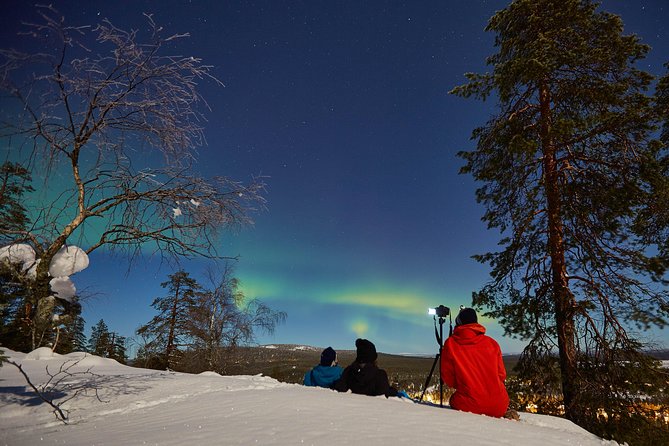
One more detail that can really affect your results is the viewing setup. A previously described stop on this kind of aurora run included an open view toward a lake, which helps because you’re less likely to have cluttered foreground distractions. Even if you can’t control the weather, you can control your frame—and an open sight line is a gift when you’re trying to capture sweeping sky movement.
When the auroras don’t show: stars and light-painting that keep the night fun
The weather has opinions, and this tour respects that. The experience explicitly covers the scenario where auroras are faint or absent. The “no auroras” plan is not a sad ending—it’s a pivot to starry sky photography.
Then there’s an even more playful backup: if the stars don’t cooperate, you’ll shift to light-painting with headlamps. That part matters because it turns the night into something you can control. Even if the sky refuses to perform, you still get a creative outcome.
Here’s the practical takeaway for you: don’t treat this as an aurora guarantee. Treat it as an aurora and night-sky skills workshop. If the lights arrive, you’ll be ready. If they don’t, you still leave with usable experience—settings you tried, scenes you practiced, and a pocket guide to remind you what to adjust next time.
Light-painting also helps you learn camera behavior in low light. You start to understand how your settings respond to light sources moving across the frame. That knowledge transfers back to auroras, because both are about long exposures and managing brightness.
And yes, having a backup plan reduces the frustration that can happen on fixed “watch only” tours.
More frozen walls to climb around Pyha and Luosto

Comfort details that make winter shooting easier (and one pacing note)
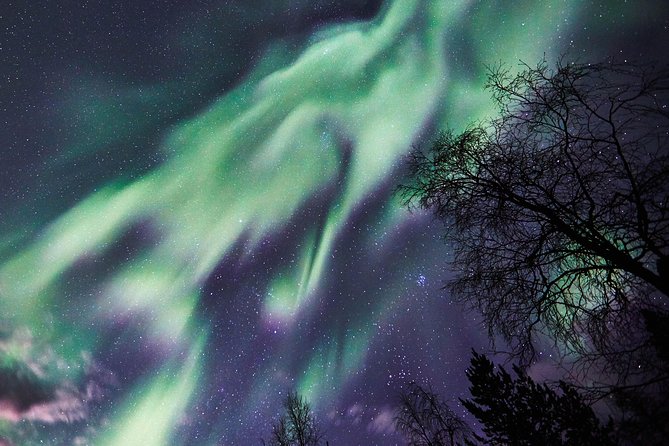
Cold hands can ruin a photo session fast. This one helps with small comforts: hot berry beverages are available for all photographers. It’s the kind of touch that keeps you shooting longer, instead of rushing inside the moment you feel uncomfortable.
The group format also feels intentionally cozy. You’re together, you’re guided, and you’re not shuffled around constantly. That’s good for attention. When you’re on a tripod-less night session (and even with stabilization, winter makes everything harder), you want fewer moving parts.
Still, keep the pacing note in mind. One thing I’d watch for is the balance between teaching and timing. The guide is enthusiastic about explaining northern lights, and that can be wonderful—until the exact moment the sky changes arrives. If you’re the type who wants every second staring upward, you may feel a pinch when the talk ramps up.
My advice: be ready to switch gears quickly. If the guide says it’s time to shoot, treat it like a command and get your camera rolling. You can absorb the “why” later from your pocket guide.
Value for $105.43: what you’re really paying for
At $105.43 per person for about 2 hours, you’re not just buying access to a viewing spot. You’re buying structure and coaching. That matters in Lapland, where the sky can be unpredictable and the learning curve for night photography is steep.
What you get for the money:
- A guide who helps you set up your camera using basic manual settings
- A pocket-sized Capturing Auroras guide to take away
- A plan B (stars, then light-painting with headlamps)
- Hot berry beverages during the session
- A small group capped at 20 people
If you tried to do this on your own, you’d spend time figuring out settings, troubleshooting exposure, and learning how to aim and react while conditions change. Paying for coaching compresses that learning. Even if your photos aren’t perfect, you’ll leave with a stronger handle on how your camera behaves in real low-light conditions.
Is it “worth it” for every kind of person? Not always. If you’re only interested in raw aurora watching and you don’t want to think about settings, you may find the workshop feeling like too much instruction. If you do want the skill side—especially if you have a camera that can do manual exposure—this price feels more reasonable because the value is tied to what you’ll do with your own gear.
Should you book Capturing Auroras in Pyhä?
Book it if you:
- Want hands-on help learning the basics of photographing the Northern Lights
- Have a camera that can handle manual settings and you want a guided starting point
- Prefer a session with backup activities instead of a strict “wait and hope” format
- Appreciate warm, simple comfort touches like hot berry beverages
Skip it (or adjust expectations) if:
- You’re expecting a long, undistracted aurora watch where every minute is silent sky time
- You’re only interested in auroras and don’t care about starry sky or creative light-painting outcomes
- You want a flexible refund policy, since this experience is listed as non-refundable and not changeable
If you do book, come ready to learn quickly and act fast. The sky doesn’t wait for perfect understanding. This tour is at its best when you treat the guide’s setup as your launchpad and then shoot as soon as the sky shifts.
FAQ
What time does Capturing Auroras in Pyhä start?
The activity starts at 8:00 pm.
Where does the tour start?
You meet at Camp Kitchen & Bar Pyhätunturi, Kultakeronkatu 21 Hotelli, 98530 Pyhätunturi, Finland.
How long is the experience?
It lasts about 2 hours.
What happens if there are no Northern Lights?
If there are no auroras, you’ll photograph the starry sky. If there’s no starry sky either, the group will do light-painting with headlamps.
What camera do I need?
You just need a camera with basic manual settings.
What is the cancellation policy?
This experience is non-refundable and cannot be changed for any reason. If you cancel or ask for an amendment, the amount you paid will not be refunded.
More Tour Reviews in Lapland
More Ice Climbing around Pyha

More Aurora Nights out of Lapland


Fresh off the trail: newer Lapland experiences we have written up
- Private Snowshoeing Tour In Pyhätunturi With A Local Guide
★ 5.0 · 3 reviews - Snowmobile Safari in the Forest
★ 4.5 · 3 reviews - Winter Trek
★ 5.0 · 3 reviews - Korouoma Frozen Waterfall with Photography
★ 5.0 · 3 reviews - Arctic Darkness & Starlight Adventure with Snowshoes
★ 5.0 · 3 reviews
Aurora Hunts from Rovaniemi, compared.
 ★ 4.6Northern Lights Tour with Guaranteed SightingsFrom $1643,836 reviews
 ★ 5.0Northern Lights Rovaniemi: Guaranteed Viewing & Unlimited MileageFrom $2282,321 reviews
 ★ 4.0Lapland Northern Lights Tour with BBQFrom $811,569 reviews
 ★ 4.3Small-Group Northern Lights Wilderness TourFrom $1361,515 reviews
 ★ 4.3Aurora Borealis Snowmobile Safari with CampfireFrom $1631,108 reviews
 ★ 4.3From Rovaniemi: Lapland Aurora Hunt with BarbequeFrom $881,083 reviews
 ★ 4.8Aurora Hunt – Free Photos, 100% Guaranteed RefundFrom $1051,002 reviews
 ★ 4.3Ice Floating in Forest Lake with Aurora BorealisFrom $115797 reviews
Browse the lists this tour appears in