
Reviewed · PYHä ICE CLIMBING
Half-Day Premium Ice Climbing in Pyhä Lapland
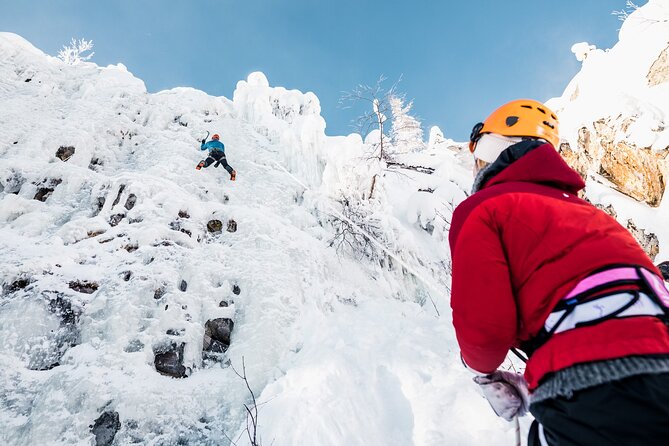
A wall of ice can feel intimidating. Here, you tackle it step-by-step with top-rope climbing and real coaching, right in Lapland’s Pyhä area. The vibe is part sport, part campfire hangout.
I love how much time you spend actually climbing for a half-day format, with the instructor taking one client at a time for safe, steady progress. I also like the small-group setup (max 8) and the warm pauses: bonfire, hot berry juice, and a light meal between climbs.
One consideration: it’s cold and physical. You’ll need proper winter layers on your end, and your arms and legs will feel it after the session.
In This Review
- Key things to know before you go
- Entering Pyhä’s ice wall session: the “premium” difference
- From Camp Kitchen & Bar to Tajukangas: the walk, the meet-up, and the pace
- Gear that removes a big headache
- How the coaching works: safety first, then lots of climbing
- The bonfire rhythm: hot drinks and real recovery time
- Route variety: more than a single wall
- How physically demanding is it?
- Price and value: what $226.39 buys you in 4 hours
- Weather, timing, and the practical side of staying warm
- Who should book this premium ice climb in Pyhä?
- Should you book it or skip it?
- FAQ
- FAQ
- How long is the ice climbing experience?
- Where do we meet, and when does it start?
- Is this suitable for beginners?
- What climbing gear is included?
- What should I bring since winter clothing isn’t included?
- How many people are in the group?
- What happens if weather is bad?
Key things to know before you go
- Top-rope, one-at-a-time climbing so you get safer practice and more attention
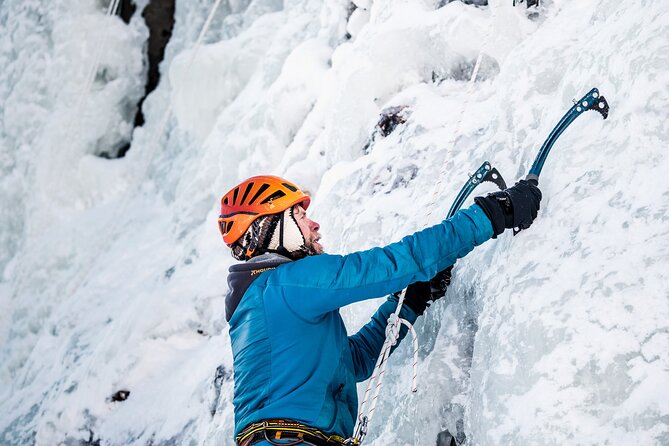
- Premium gear rental included (helmet/visor or goggles, harness, crampons, ice axe, climbing boots)
- Bonfire breaks with hot berry beverages and a light, nutritious meal
- Guides who teach technique, not just “get up there” (you might get names like Redar, Joonatan, Inessa, or Kai)
- Several routes and multiple ascents depending on your strength and stamina
- Weather matters, since ice climbing needs decent conditions to run
More frozen walls to climb around Pyha and Luosto
- Classic Wilderness Skiing in the Pyhä-Luosto National Park★ 5.0 · 23 reviews
- Half-Day Premium Ice Climbing in Pyhä Lapland★ 5.0 · 18 reviews
- Kid’s Ice Climbing Adventure in Pyhä-Luosto, Finland★ 5.0 · 13 reviews
- Scenic Snowshoeing on the Top of Pyhä Fell★ 5.0 · 10 reviews
Entering Pyhä’s ice wall session: the “premium” difference
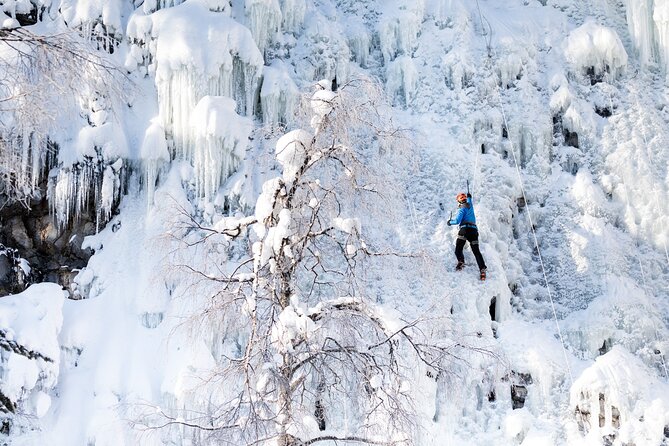
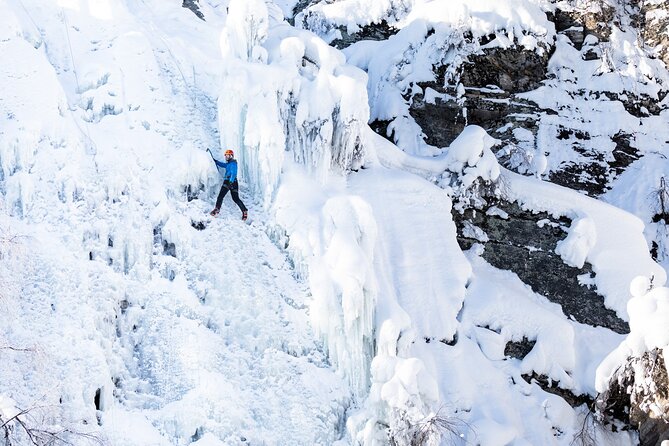
This is a half-day ice climbing experience designed for people who want more than a quick taste. The structure stays simple on purpose: you get outfitted, you get clear safety instruction, and then you climb on top rope with a belay setup and coaching focused on how to move on ice.
The premium part shows up in how the session flows. Instead of long waits, you’re climbing through a series of attempts, with time to reset between climbs at the fire. In reviews, that extra “on-ice time” shows up as a big reason people feel they got value, especially when the group stays small.
The best payoff is confidence. The instructors teach you the basics of how to place crampons and use an ice axe, then they help you build technique so you can try more routes without feeling like you’re guessing.
From Camp Kitchen & Bar to Tajukangas: the walk, the meet-up, and the pace
Your day starts at Camp Kitchen & Bar Pyhätunturi at 11:30 am, located on Kultakeronkatu 21 at the hotel area. The guide meets you at the agreed time, and then you’ll get equipped at nearby premises (Bliss’ premises are close by).
After gear-up, you head to Tajukangas, about a 10-minute walk from Hotel Pyhätunturi. That short walk matters more than it sounds: it’s enough time to get moving, check your kit, and settle into the cold before you start climbing.
Once you arrive, the session begins right away with a warm setup—bonfire going, ropes ready, and climbing gear staged. There’s no “big ceremony” feel. It’s practical, calm, and built for action.
Gear that removes a big headache
You don’t have to bring your climbing equipment. Rental gear includes:
- helmet with visor or goggles
- harness
- crampons
- ice axes
- climbing boots
That’s a real advantage in Lapland. Ice climbing kit is bulky, expensive, and easy to pack wrong. Here, you show up and get fitted with what you need.
Still, you’re responsible for your clothing. The one thing not included is suitable personal winter clothing. If you don’t dress for real cold, you’ll spend half the day fighting numb hands and stiff legs instead of focusing on technique.
If you’re not sure what to wear, use this rule: keep your core warm and protect your extremities. You’ll be standing around near the fire between attempts, but you’ll also be in crampons and using an ice axe, so you want flexibility and warmth without heavy bulk.
How the coaching works: safety first, then lots of climbing
At Tajukangas, you get a clear safety briefing before anyone climbs. You’ll also see the ropes set up in advance, with the instructor running the belaying and advising you on climbing technique.
One important detail: the experience uses a top-rope approach where the climber is attached to the rope system and guided by the belay. That means the focus can stay on movement and balance rather than on complicated self-belayed setups.
The instructors also adjust for your level. The session is suitable for:
- beginners who want to climb a lot and learn the basics in a safe way
- people with some ice climbing experience who want to push skills and get more structured feedback
From the reviews, you can expect patience and encouragement, especially if it’s your first time. One first-timer described how they were nervous but felt safe while getting harnesses set up and receiving reassurance. Another review highlighted practical tuition that helped someone progress technical aspects they already knew from ice climbing elsewhere.
You’re not doing just one short attempt either. The structure allows for several ascents per person based on strength and stamina, and it’s common to try multiple routes during the session.
The bonfire rhythm: hot drinks and real recovery time
Between climbs, you don’t just stand in the cold. There’s a bonfire, and you’ll get hot berry juice plus a light meal.
This matters because ice climbing is tiring in a specific way. Even if you’re fit, you’re using forearms, shoulders, and legs for balance and placement. That’s why recovery time is part of the coaching. When you warm up, you can focus during the next attempt and you’re less likely to “power through” mistakes.
The small details add to the feeling of place. Some reviews mention hot juice and even small pies, described as genuinely enjoyable and local-feeling. Also, the guide includes stories about Arctic nature, which turns the waiting time into something you actually look forward to rather than endure.
Route variety: more than a single wall
This isn’t a one-route show. You’ll be able to climb several options, and the route choices can vary based on the instruction level and your condition.
For beginners, that variety helps you learn without getting stuck on one “hard moment.” For experienced climbers, it gives you chances to apply technique changes across different sections of the wall—same safety structure, different movement problems.
In one premium-session experience described, after a larger group left, the remaining pair and guide could choose routes more freely and spend more time resting between climbs. That’s a good reminder of why the small group limit matters: it can mean more route options and shorter waits.
How physically demanding is it?
Ice climbing is a workout. One review summed it up bluntly: your arms and legs will be tired. Another mentioned a tough climb but praised the guides for keeping the experience encouraging and safe.
Your moderate fitness level requirement is about managing that effort and staying steady in cold conditions, not about being an athlete. You should expect:
- repeated bouts of climbing effort
- time in winter gear and crampons
- focus on balance and technique, not speed
If you’re prone to overthinking under pressure, don’t worry. Most of the “mental stress” comes from not knowing what your body is supposed to do on ice. The instruction style here is built to reduce that uncertainty fast—harness setup, clear safety explanation, then hands-on belaying and technique prompts while you climb.
Price and value: what $226.39 buys you in 4 hours
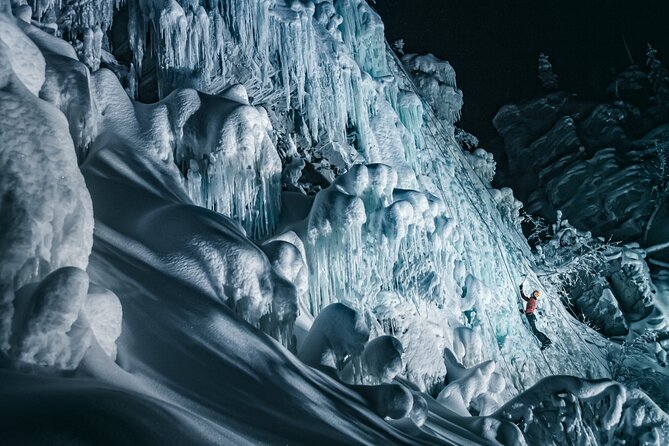
The price is $226.39 per person, and the tour runs about 4 hours. On paper, that can look like a lot—until you count what’s included and what it replaces.
You get:
- an ice climbing instructor’s services
- guiding to the climbing venue
- full rental climbing gear
- hot berry beverages
- a light nutritious meal
- time for multiple top-rope ascents and technique coaching
Gear rental alone can be a chunk of cost on its own, and for winter activities, that’s usually the part that surprises people when they realize how specialized it is. Here, you’re also buying time: you’re not just learning a safety demo; you’re climbing multiple times within a half day, with belay support and coaching.
The other value factor is the group size cap of 8 travelers. That’s the difference between “someone teaches you once” and “someone can actually watch your movement and correct it between climbs.”
If you’re comparing options, ask yourself: do you want a short trial, or do you want a session where you can climb enough times to actually improve? This premium format is for the second choice.
Weather, timing, and the practical side of staying warm
This activity requires good weather, so conditions can affect whether it runs as planned. If weather isn’t workable, you’ll be offered an alternate date or a full refund—because ice climbing isn’t something you force in bad visibility or unsafe conditions.
Timing-wise, starting at 11:30 am gives you a nice middle-of-the-day rhythm. You meet, gear up, walk to the venue, climb, then finish back where you started.
And you should plan for cold. Even if the bonfire is doing its job, you’ll still be in ice-climbing gear. Bring the right base layers, and don’t hold back on warm socks and gloves you trust.
Also, don’t underestimate how long winter weather can make you feel “stuck” between climbs. The structure here fixes that with warmth, juice, and food, plus instruction-driven rest.
Who should book this premium ice climb in Pyhä?
Book it if:
- you want lots of climbing time in a short window
- you’re a beginner and want a safe introduction with technique coaching
- you’ve climbed before and want a structured progression in a controlled setting
- you like the idea of learning while staying warm by a fire
It might not be the best fit if:
- you hate physical effort in cold conditions
- you’re not willing to dress properly for winter weather
- you want an activity that feels purely scenic with minimal exertion
For families, reviews include a mention of kids around ages 6, 8, and 10 having a great time, with guides taking care of very cold participants. If you’re bringing children, the key is comfort with winter clothing and being ready for a workout that’s paced by instruction and safety.
Should you book it or skip it?
I’d book this if your goal is genuine learning plus real climbing time. The top-rope structure, the included gear, and the bonfire breaks make the experience feel manageable even when you’re new.
If you’re the type who gets discouraged after one or two attempts, this premium format is worth it because it gives you multiple tries, coaching while you climb, and a warm reset between routes. If you’re already experienced, you’ll likely appreciate the chances to keep improving with feedback rather than just repeating the same moves.
The only reason to hesitate is if you’re underprepared on winter clothing or you’re hoping for something easy and passive. Dress right, bring a positive mindset, and you’ll get a day that’s equal parts sport and Lapland campfire comfort.
FAQ
FAQ
How long is the ice climbing experience?
It’s about 4 hours, including meeting, gear fitting, walking to the climbing venue, climbing sessions, and breaks at the bonfire.
Where do we meet, and when does it start?
You meet at Camp Kitchen & Bar Pyhätunturi at 11:30 am. The activity ends back at the meeting point.
Is this suitable for beginners?
Yes. It’s designed for beginners eager to climb a lot, with safety instruction and top-rope climbing where the instructor belays and guides technique.
What climbing gear is included?
Rental gear is included, including a helmet with visor or goggles, harness, crampons, ice axes, and climbing boots.
What should I bring since winter clothing isn’t included?
You’ll need suitable personal clothing for winter weather. Dress for cold conditions, because you’ll be outside and in specialized equipment.
How many people are in the group?
The maximum group size is 8 travelers, which helps keep the experience focused and paced.
What happens if weather is bad?
The tour requires good weather. If it’s canceled due to poor weather, you’ll be offered a different date or a full refund.
More Tour Reviews in Lapland
More Ice Climbing around Pyha
Fresh off the trail: newer Lapland experiences we have written up
- Private Snowshoeing Tour In Pyhätunturi With A Local Guide
★ 5.0 · 3 reviews - Snowmobile Safari in the Forest
★ 4.5 · 3 reviews - Winter Trek
★ 5.0 · 3 reviews - Korouoma Frozen Waterfall with Photography
★ 5.0 · 3 reviews - Arctic Darkness & Starlight Adventure with Snowshoes
★ 5.0 · 3 reviews
Pyhä Ice Climbing, compared.
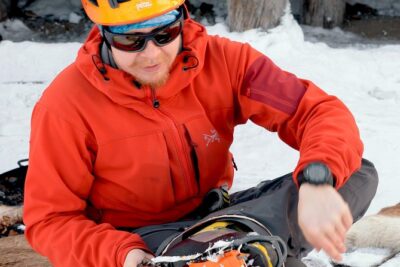 ★ 5.0Guided Ice Climbing Activity in PyhäFrom $142149 reviews
 ★ 5.0Pyhä-Luosto Northern Lights Adventure with Aurora ViewingFrom $23951 reviews
 ★ 5.0Classic Wilderness Skiing in the Pyhä-Luosto National ParkFrom $12823 reviews
 ★ 4.2From Rovaniemi: EXCURSION TO THE AMETHYST MINE IN LUOSTOFrom $20615 reviews
 ★ 5.0Kid’s Ice Climbing Adventure in Pyhä-Luosto, FinlandFrom $14213 reviews
 ★ 4.5Trip to Pyhä-Luosto National Park and Amethyst MineFrom $23912 reviews
 ★ 5.0Scenic Snowshoeing on the Top of Pyhä FellFrom $12810 reviews
 ★ 4.5Jewels Of Lapland: Visit to Amethyst Mine in LuostoFrom $2259 reviews
Browse the lists this tour appears in